Strategies
How to Start Developing Your Online Network
Identify Your Needs and Interests
Start by reflecting on your current practice and areas where you seek growth. Are there particular pedagogical approaches, classroom challenges, or professional goals you want to explore? This clarity will help you identify the most relevant online communities, resources, and educators to follow.Engage with Like-minded Educators
Join specialized online groups where educators share content related to your subject area, teaching style, or professional goals. Don't just follow accounts that are popular; seek out those who offer thought-provoking, evidence-based insights. Actively engage in these spaces by commenting, sharing, and asking questions. Your involvement helps build both your PLN and your role within a community. Regularly "clean up" your feed by unfollowing accounts that no longer align with your current goals, and engage with new accounts that challenge your thinking. This ensures that your feed stays relevant and focused on areas of growth.Leverage Digital Tools
While socio-technological concerns have made changes to following hashtags on Twitter, you can still follow specific hashtags such as #HipHopEd, #MusicEd, and #CulturallyResponsiveTeaching on different platforms like TikTok, Facebook, and Instagram to connect with content that is tailored to your teaching needs. Utilize platforms like Pinterest, Instagram, and YouTube for finding lesson ideas and instructional materials shared by experienced educators.Balance Passive and Active Participation
While passively lurking and reading posts can be valuable, try to actively contribute by sharing your experiences and resources. Over time, this increases your visibility and positions you as an active member in your community, reinforcing reciprocal learning and support. Don’t just like posts - inquire and dive deeper into discussions. The more you engage in contributing to knowledge sharing and creation, the more the field of music education will benefit everyone.
Reflective Questions for Personal Growth
To optimize your PLN and CoP, take time to reflect on your participation and the voices you engage with. Here are some reflective questions to guide your journey:
What areas of my practice do I need more knowledge or support in?
Reflect on the aspects of teaching where you feel less confident or are actively seeking to grow (e.g., classroom management, new pedagogical approaches, diverse repertoire, tech integration).What type of creators do I follow?
Are the educators you follow sharing content that challenges your thinking, or are they reinforcing your existing views? Consider following creators who push you to think critically.Are there any voices being left out of my algorithm?
Have you diversified the voices in your PLN? Are there groups you’re not hearing from? Perhaps teachers of color, LGBTQ+ educators, disabled educators, or educators from non-Western countries? Ensuring you have a wide range of perspectives will enrich your practice.Do the people I follow keep pushing to sell me their resources or affiliate links, or are they online to genuinely help other teachers?
Evaluate the intentions behind the content you consume. Are the educators in your PLN offering free resources, engaging in thoughtful dialogue, or focusing more on selling products and showing their OOTD (Outfit of the Day)? Seek out those who are committed to authentic, peer-to-peer learning and bettering the profession.
Developing a Diverse Set of Voices in Critical Pedagogy
Online spaces are invaluable tools for critical pedagogy, allowing educators to engage in conversations that promote social justice, equity, and diversity. Exposure to new perspectives and engaging in challenging discussions online can lead to critical dialogue, which bell hooks (1994) describes as “one of the simplest ways we can begin as teachers, scholars, and critical thinkers to cross boundaries that may or may not be erected by race, gender, class, professional standing, and a host of other differences” (p. 130). To develop a more inclusive online network, seek out educators who emphasize issues such as equity, inclusion, and culturally relevant pedagogy. These educators challenge the status quo and offer resources to help teachers make their practice more inclusive. Expand your PLN to include voices from underrepresented groups. Follow educators of colour, indigenous educators, disability advocates, and those from marginalized communities to learn about culturally responsive teaching strategies and the realities these communities face.
When examining teachers’ perceptions of their participation in structured Twitter chats using #HipHopEd, Adjapong et al. (2018) revealed that PLN engagement caused educators to go beyond knowledge sharing, but offered a space to deeply reflect on their practice, confront any biases, and guide them on their journey in PD. Trust et al. (2016) also found that 96% of participants “reported modifying teaching practices as a result of what they learned from their PLNs” (p. 25). These findings indicate that teachers deeply value their online communities and use them as a space to critically reflect and examine their practice, thus supporting their ongoing professional growth in ways that not only benefit themselves, but their students and the broader field of education as well. By prioritizing diverse perspectives, educators can enhance their ability to create more inclusive, thoughtful, and impactful teaching practices.
Educators to Follow
Franklin Willis, @fwillismusic

Building a robust online network and community can significantly enhance your professional development. Below are some strategies for educators to build meaningful online communities and curate resources, as well as tips for "hacking" your algorithm to support your learning goals.
“Franklin Willis is a nationally recognized music educator, composer, author, and arts advocate who has dedicated his career to transforming the landscape of music education. He currently serves as the Director of Visual and Performing Arts for Metro Nashville Public Schools, where he leads district-wide initiatives to ensure equitable access to high-quality arts education for more than 81,000 students in one of the most culturally and economically diverse school districts in the United States.” from https://www.fwillismusic.com/
Why you should follow @fwillismusic: Franklin Willis posts resources for elementary music teachers to use in their classroom that combine traditional Orff methods with culturally relevant pedagogies. Examples include a modern arrangement of “Lift Every Voice and Sing,” engaging rhythm stick routines, musical stories, and many more inspiring resources to bring into your classroom.
Dr. Michelle Rose, @the_musical_rose
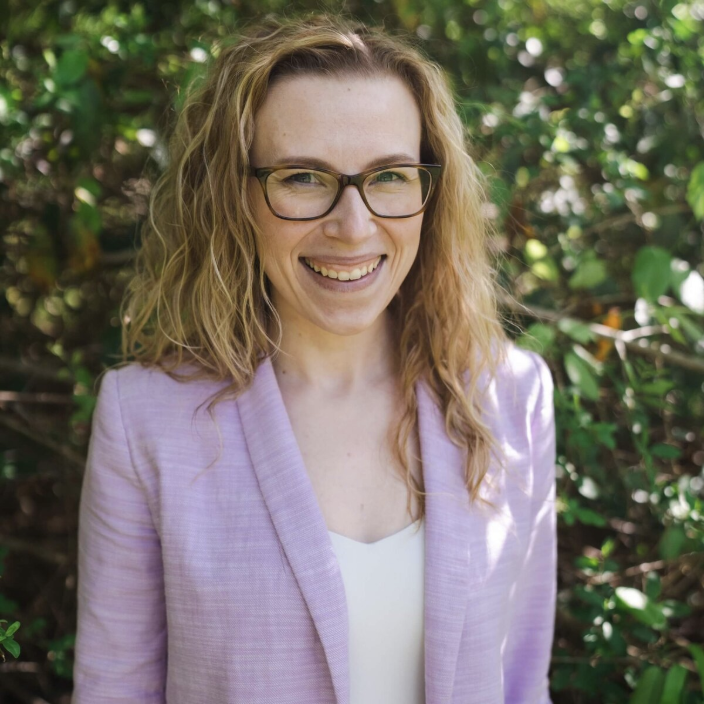
Dr. Michelle Rose is a seasoned college and university professor with over a decade of experience in K-12 education. With a deep commitment to supporting both her students and colleagues, she advocates for the importance of mental health and the need to establish a sustainable work-life balance. Dr. Rose believes that prioritizing teacher wellbeing is essential not only for the individual educator’s health but also for fostering a positive and productive learning environment. Through her work, she empowers educators to embrace strategies that enhance their personal and professional growth while nurturing their overall well-being.
Why you should follow @the_musical_rose: Dr. Rose posts self-care tips for teachers, personal stories and reflections alongside data-driven and research-backed strategies, and provides free and paid resources on her website
Tim Lorelli, @timlorelli
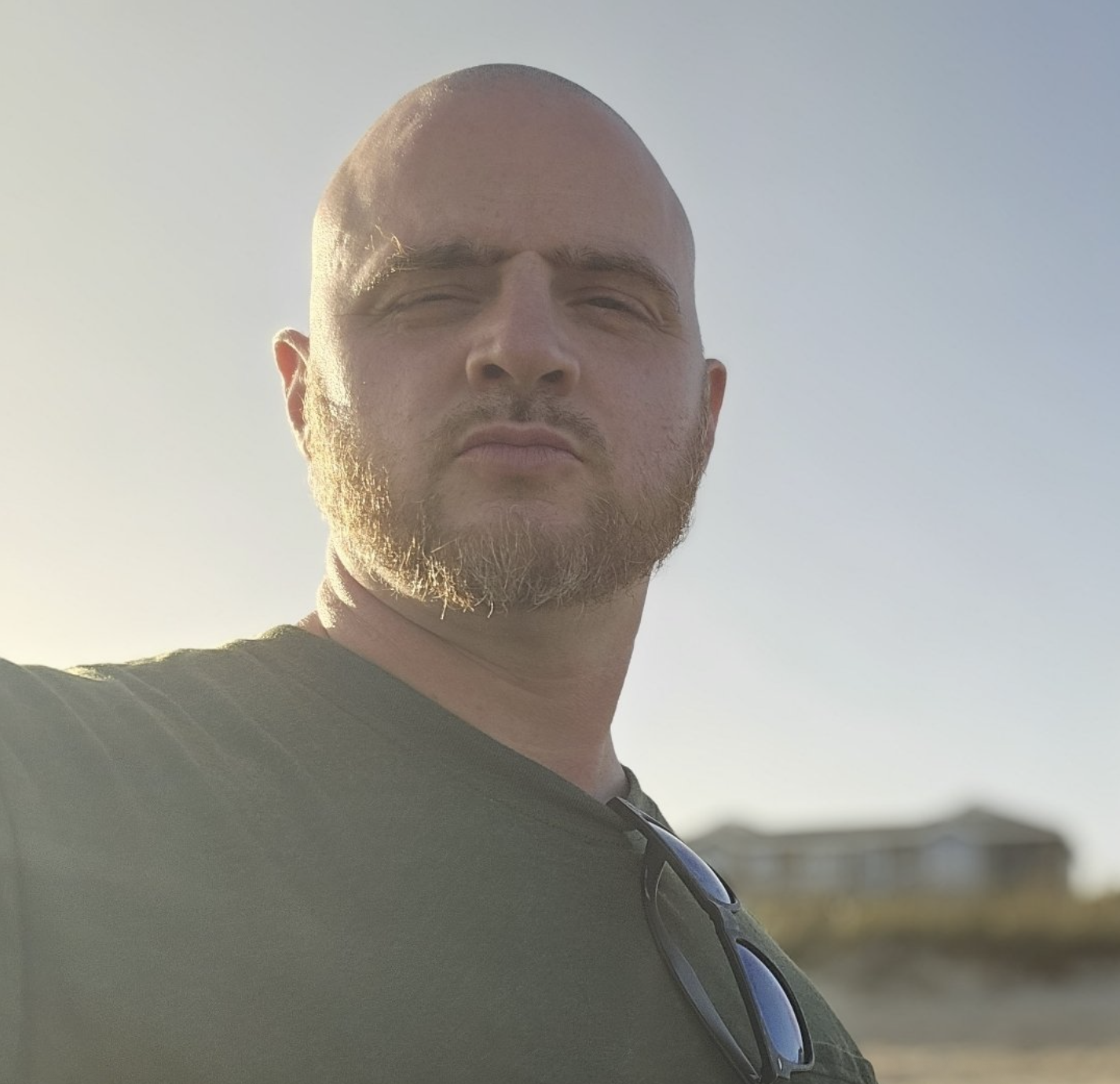
Tim Lorelli is an elementary music teacher and drummer based in Durham, North Carolina. His videos of his arrangements being played by his students have gone viral, earning praise from artists like SZA and Radiohead. By using a hip-hop pedagogy and non-formal learning approach, his students master challenging musical concepts and swing perfectly in time. From Bob Marley’s reggae vibes, to Soulquarian grooves in J Dilla and Erykah Badu, to playing modern hip-hop and jazz legends like Kendrick Lamar and Robert Glasper, his students can do it all.
Why you should follow @timlorelli: Tim posts informative videos to his Instagram and YouTube profiles specifically for teachers, detailing how he uses DAWs in his program, and breaks down how he teaches songs to his students. He never gatekeeps and serves as an inspiration for educators on how they can move away from the traditional format of teaching and making music with children.
Darlene Machacon, @thedarlingmusicteacher
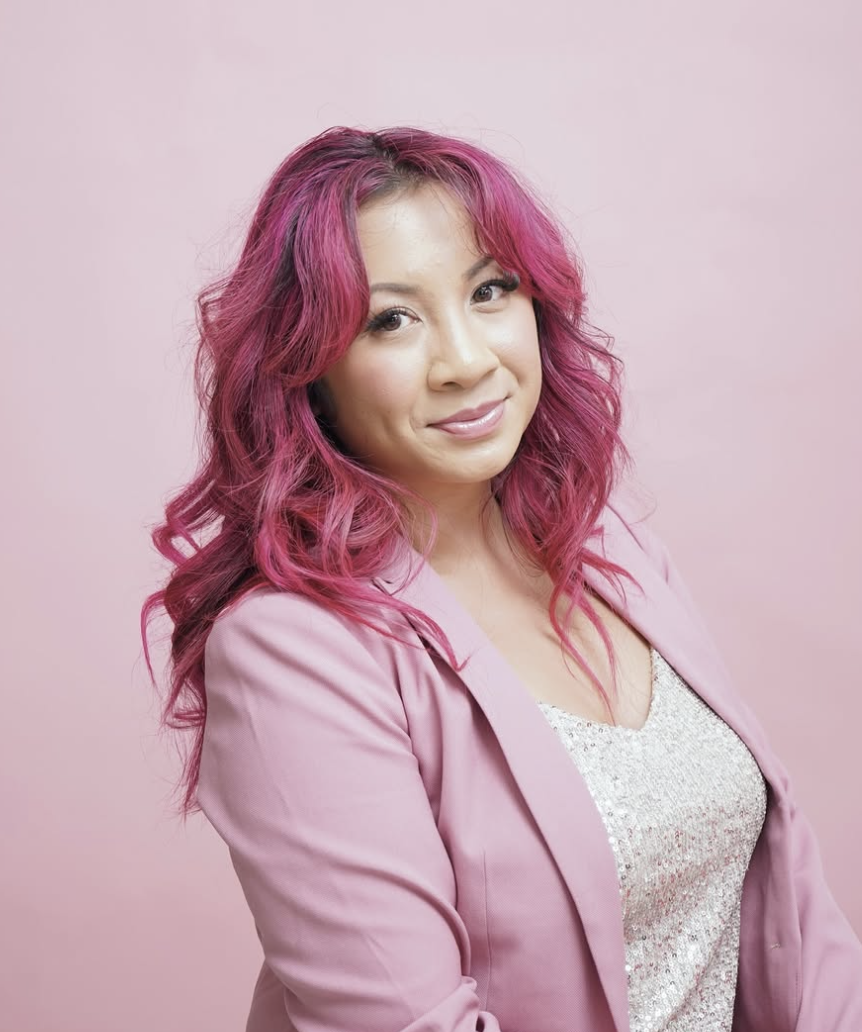
“Darlene Machacon is a passionate and accomplished Filipina-American music educator with extensive experience in both the classroom and as a leader in the field of social-emotional learning (SEL) and culturally responsive teaching. As a music educator and content creator residing in southern California (with roots in the San Francisco Bay Area), Darlene has dedicated her career to reimagining the ways in which general and choral music education can be inclusive, culturally relevant, and transformative for students in a post-pandemic world.” from https://www.darlenemachacon.com
Why you should follow @thedarlingmusicteacher: Darlene strives to carve a space in music education that represents and affirms marginalized communities. She critiques Eurocentric practices in the field, shares candid thoughts about the influx of “teacher influencers,” and deeply reflects on her practice with her following.